A new agricultural model for Brazil, starting from the Lagoa do Sino experimental field

What it is

Transição Tropical is a project of UFSCar – Fazenda Escola Lagoa do Sino (FELS) in partnership with Instituto Folio to develop and validate a regenerative and organic agricultural model for grain production in Brazil.

FELS is a 400-hectare productive teaching farm donated by the writer Raduan Nassar to the university. It is a reference in applied research and territorial engagement.

Why it emerged

The current agricultural model — dependent on chemicals, fossil fuels, and monocultures — has reached productive, environmental, and social limits.

Tropical agriculture needs to transition to systems based on:

  • soil health
  • plant diversity
  • biological solutions
  • climate resilience
  • farmer autonomy

FELS is the ideal laboratory for this transformation.

What the project does

Design of a new management protocol based on processes

Transition

  • Full diagnosis
  • Gradual withdrawal of chemicals
  • Implementation
  • Field testing

Partnerships with

Alignment of the academic curriculum with real field conditions

Where we are

First cycle (2024/25) in progress:

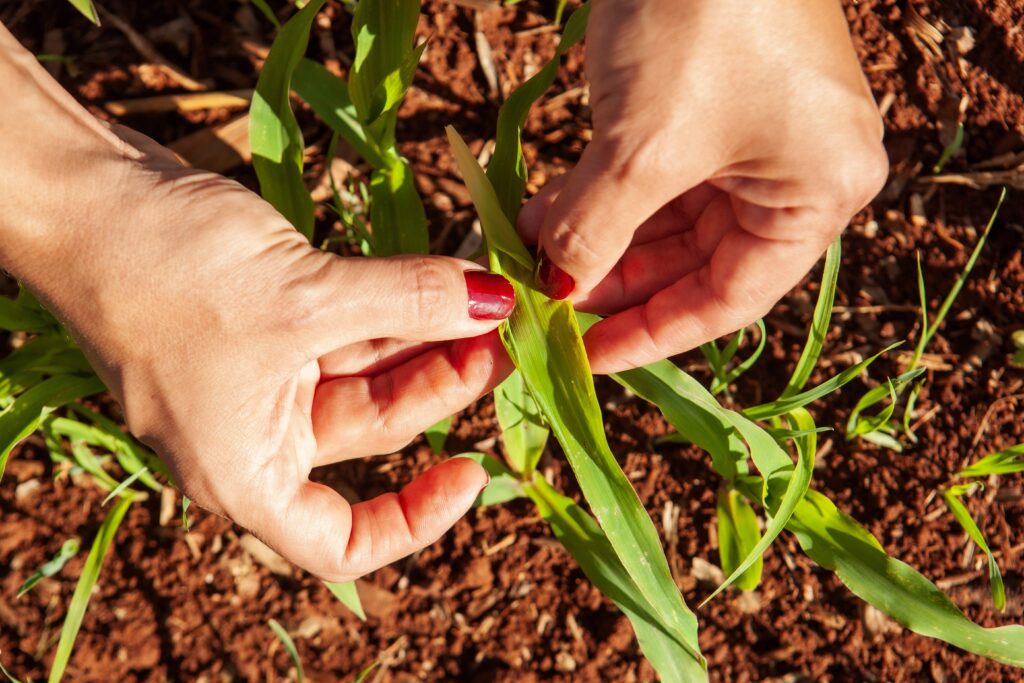
  • 114 ha of corn and 52 ha of soybeans under transition
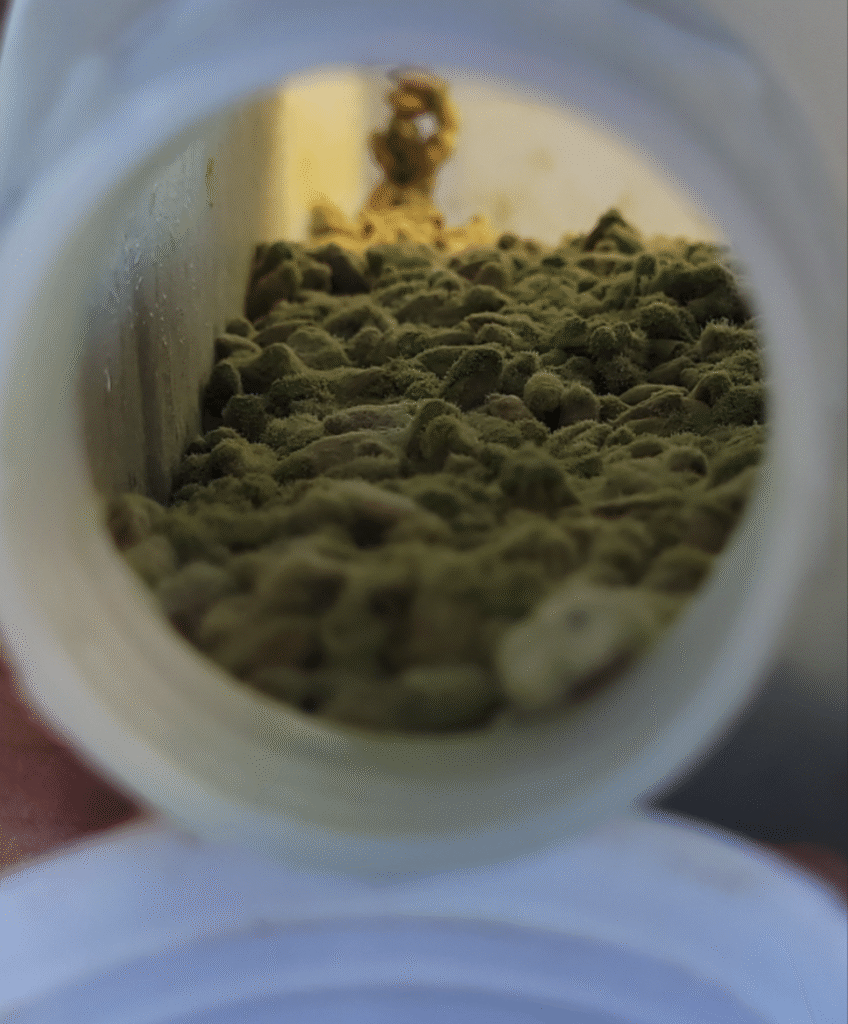
  • 100% use of biological products in pest control
  • Use of organic compost, natural phosphate, poultry manure, and biological inoculation
  • Testing of prototypes for mechanical management of spontaneous plants (weeds)
  • Adoption of seeds adapted to the environment and local pest pressures

Main challenges and lessons learned

The transition is a real adaptation process, with no ready-made formulas.

  • The first two years are the most sensitive: removing chemicals causes temporary ecosystem imbalances
  • The system tends to rebalance itself with the return of natural enemies
  • Lessons learned include: better crop planning, improved input and machinery management, earlier planting, and proper seed selection

The biggest bottleneck today

Weed management is the main challenge for regenerative grain agriculture to scale.

For this reason, Transição Tropical invests in machinery, innovation, testing, and prototyping.

Who makes it happen

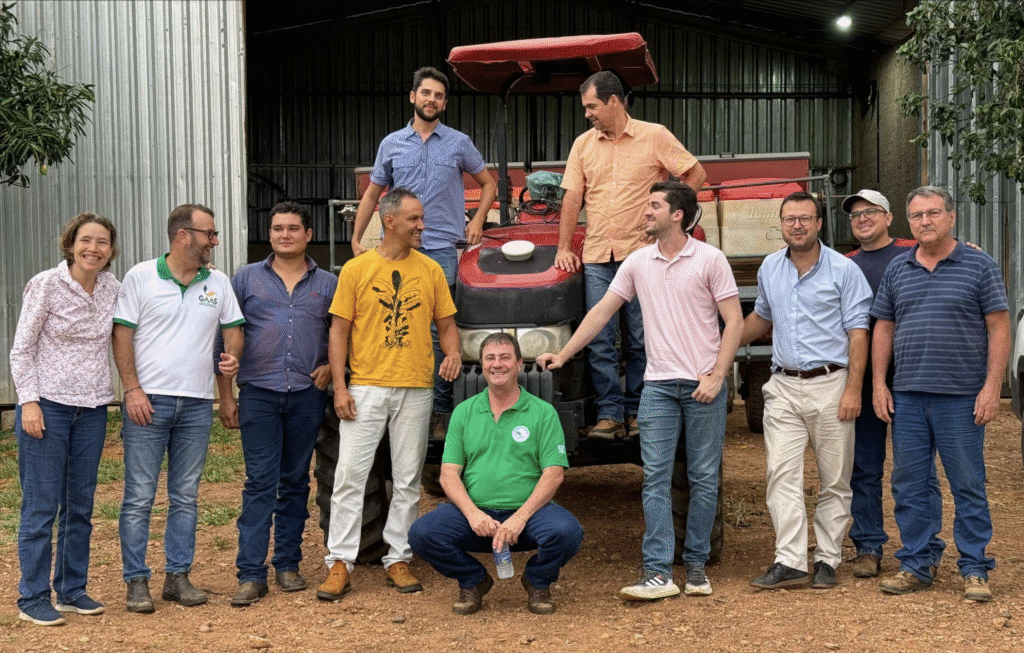
The project brings together six Working Groups — Agricultural Production, Agroecology, Environmental Management, Food Processing and Quality, Academic, and Governance — including professors, researchers, farmers, field technicians, agricultural consultants, representatives of the bio-industry, and Instituto Folio.

It is a collective transformation: no structural change is achieved by a single mind.

The opportunity

To transform the UFSCar Lagoa do Sino campus into a national reference for regenerative and organic transition, generating a replicable model for other farms, expanding farmer autonomy, productivity, soil health, and positive environmental impact.

Testimonials

“The role of science is to push the frontier of knowledge, and that is exactly what this new agriculture requires. The Lagoa do Sino Teaching Farm (FELS) was created with the objective of fostering an innovation ecosystem, and the partnership with Folio is essential to bring together the actors needed to face this great challenge. A new agriculture is necessary and urgent if the human species is to continue coexisting on this planet.”

Alberto Carmassi, Director, Lagoa do Sino Campus

“We see the turning point toward regenerative agriculture when we understand that the current agricultural model alone is no longer sufficient. This project is an important opportunity to integrate research, discover new diagnostics, and deepen the interaction between soil chemistry, physics, and biology.”

Conrado Fioretto, Partner, Laborsolo

Who leads the transition at Fels

KATU

KATU

GAN

GAN

Percepa

Percepa